
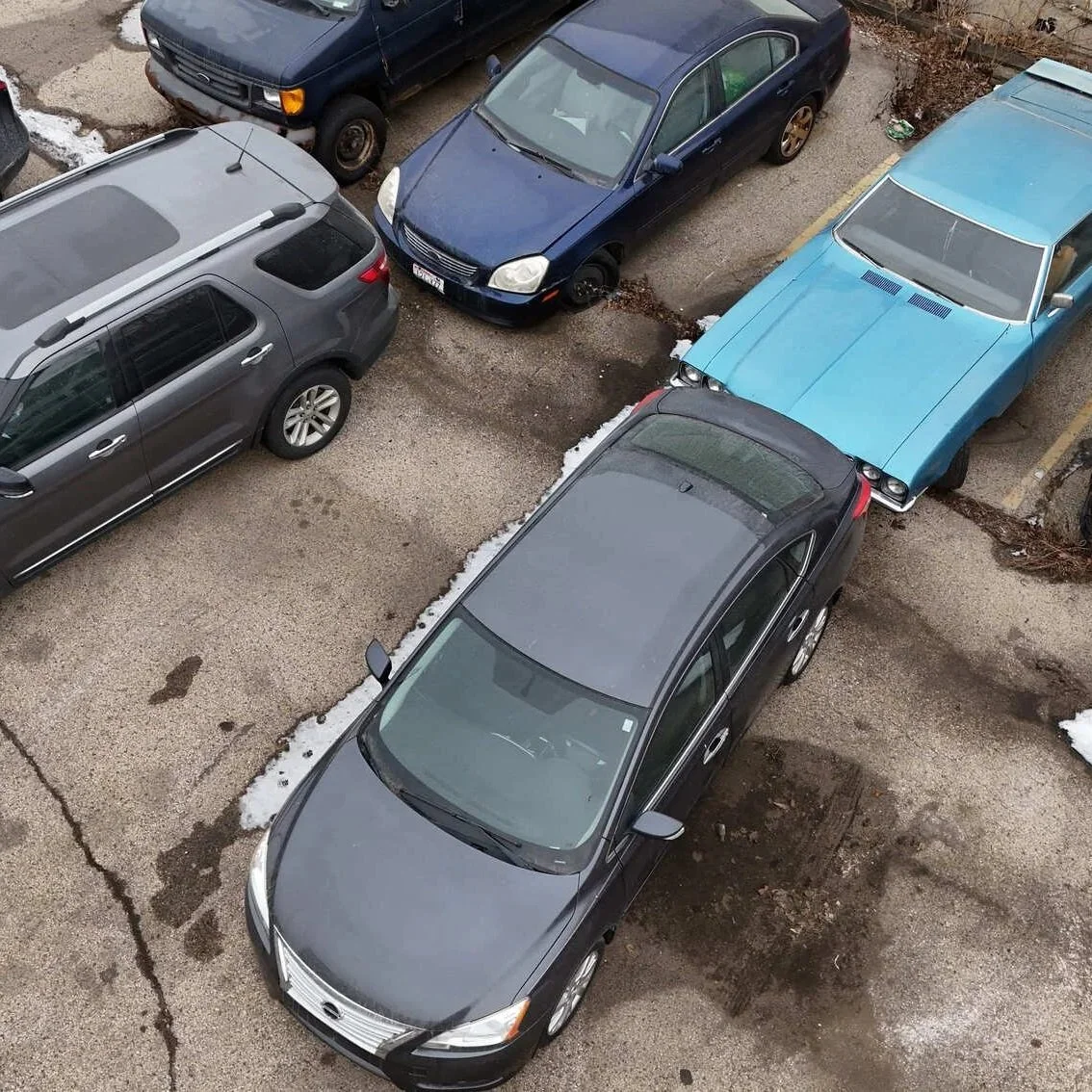
Junk car removal and buying services rely on scrap yards to determine the real value behind those worn-out wheels, and scrap yards know exactly what they're hunting for.
A junk car may look like a pile of rusted metal and forgotten memories to the average passerby, but to a scrap yard, it's a treasure trove of materials and components. When a vehicle has reached the end of its road, scrap yards step in to give it a new purpose—one that often begins with a tow truck and ends with a cleaner driveway and a little extra money in your hand. Junk car removal and buying services rely on scrap yards to determine the real value behind those worn-out wheels, and scrap yards know exactly what they're hunting for.
Metal Always Leads the Charge
At the core of every junk car purchase is metal. Steel makes up the majority of a vehicle's frame, while aluminum and copper appear in everything from wheels to wiring harnesses. Scrap yards place great value on the weight and condition of the metal, often using them as the basis for an offer. A heavier vehicle with more recoverable metal typically holds more value, especially when scrap prices are favorable.
Even in vehicles where the engine no longer runs, and the interior resembles a squirrel's vacation home, the metal alone can make the trip worthwhile. It doesn't have to shine to be worth something. Scrap yards have the equipment and skill to extract every useful pound from a car that otherwise looks ready for the crusher.
Catalytic Converters Always Get Noticed
One of the most valuable parts of a junk vehicle hides underneath it. Catalytic converters contain precious metals like platinum, palladium, and rhodium—elements that are expensive to source and highly recyclable. Even an older converter holds value, and scrap yards rarely miss the opportunity to recover one.
Because of their value, catalytic converters play a major role in determining what a scrap yard is willing to pay. Vehicles with intact converters often attract higher offers. Some sellers try to remove them before selling, which is fair, but it does change how scrap yards approach the purchase. They notice what's missing, and they adjust accordingly.
Condition Helps, Even If It's Rough
A car doesn't need to look pretty, but it helps if it's still mostly complete. Scrap yards appreciate vehicles that arrive with most of their parts intact. A missing engine, stripped interior, or broken frame doesn't make the vehicle worthless, but it does affect how it's processed. A full car requires less sorting, fewer trips back and forth, and offers more material to work with.
Even if the doors are dented and the paint has faded to chalk, a car with all its major components tells a more appealing story at a scrap yard. Bonus points for wheels that roll, batteries that still exist, and parts that haven't been pulled for backyard projects. The more a vehicle resembles its original shape, the easier it is for professionals to break it down.
Wiring and Electronics Carry Hidden Value
Under the hood and behind the dash, copper wiring snakes through nearly every inch of a modern vehicle. While owners often overlook them, scrap yards pay close attention to these materials. Copper, even in small amounts, adds up quickly in value. Electrical systems, sensors, and harnesses all contribute to the final assessment.
Vehicles from the early 2000s onward tend to have more electronic components, which can lead to a higher payout if the wiring remains intact. On the flip side, a stripped-out shell with missing wires might still be worth something—but not nearly as much as one with its internals intact. Scrap yards like to see vehicles that haven't been picked apart before arrival.
Age Doesn't Always Matter
Some people assume the older the vehicle, the less value it holds, but that's not always true. While scrap yards consider age, it's not a deal breaker. Older cars can surprise with high-quality steel frames or unique components that newer models lack. Age also brings simplicity—less plastic, more metal, and fewer headaches during processing.
The key lies in how the vehicle has aged. A 30-year-old truck with solid bones often fares better than a ten-year-old car that's been picked clean and left to sit in mud. Scrap yards look at what remains, not just what the calendar says. They deal in physical value, not nostalgia or brand loyalty.
Clean Titled Vehicles Speed Things Up
While not every scrap yard requires a title, having one makes the process smoother. A clean title streamlines ownership verification and gives the buyer full confidence in proceeding with the transaction. That's especially true for junk car buying services partnering with scrap yards—having a title can simplify the logistics from removal to resale or recycling.
In some cases, even vehicles without titles are still welcome, but scrap yards may request additional documentation or follow extra steps before completing the purchase. Either way, clear paperwork means less time spent sorting out technicalities and more time focused on turning an old car into something useful again.
Fluids and Contamination Are Not Welcome
Before a car is processed for parts or metal, scrap yards must drain all fluids—oil, coolant, brake fluid, transmission fluid, and so on. Vehicles that leak or show signs of contamination require extra cleanup, which adds work and can lower the overall payout. Clean doesn't mean polished, but it does mean leak-free whenever possible.
Scrap yards work hard to maintain safety and environmental standards, so anything that complicates the process tends to factor into the final offer. A car with its fluids intact and properly contained is always more appealing than one that's already left a stain on the trailer.
Tires Are Mostly Trouble
Although they keep cars off the ground, tires add very little value at the scrap yard. Most yards see them as a disposal problem rather than an asset. In many cases, they charge fees to properly remove or recycle them. That means vehicles that arrive with worn or flat tires may be accepted, but they won't score any bonus points.
Some sellers remove tires before sale, but unless they're reusable or valuable on their own, it often makes more sense to leave them. Scrap yards already account for disposal in their process. It's simply part of the trade.
The Vehicle Tells the Whole Story
When scrap yards assess a junk car, they don't just look at one thing. They scan the entire picture—condition, weight, parts, accessibility, and the effort required to disassemble and recycle. No two vehicles are identical, and each one presents a unique opportunity or challenge.
Junk car removal and buying professionals work closely with these yards to deliver vehicles that meet their needs. The better the vehicle's condition and the more complete it is, the easier it is to turn that worn-out car into cash and clear space on the property.
A junk car might no longer be road-ready, but in the hands of the right buyer and a skilled scrap yard, it still holds plenty of potential. And when it leaves the driveway, it does more than create space—it contributes to a cleaner, more efficient way of recycling what once had wheels and purpose.
Auto Wreckers Milwaukee is here to help Milwaukee residents to assist with junk car removal, cash for junk cars, and junk car and truck buying. Licensed and insured. We have several years of experience providing efficient services at competitive pricing. Remove stress, delays, and unnecessary paperwork. Contact our team to learn more.