
What Junk Car Recycling Means for Local Metal Recovery
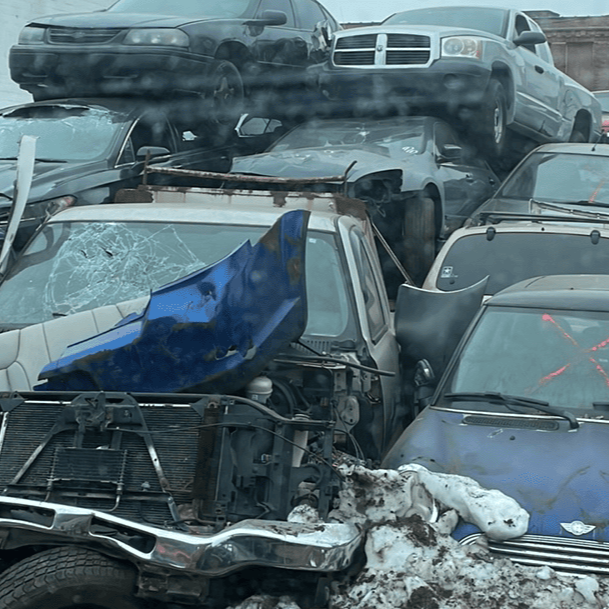
Local recycling centers thrive on that value, transforming once-forgotten vehicles into usable metal that powers construction, manufacturing, and even new vehicles down the line.
A car may roll off the lot shiny and full of promise, but eventually, every vehicle reaches the end of its drivable life. When that day comes, it doesn’t just fade into uselessness—it shifts into a new phase as a valuable source of recyclable materials. Junk car recycling plays a crucial role in local metal recovery, quietly supporting industries, cleaning up neighborhoods, and keeping tons of scrap from piling up in landfills.
Beneath the rust and dents, a junk car contains more than just memories. It holds raw materials that can be salvaged, processed, and used again. Local recycling centers thrive on that value, transforming once-forgotten vehicles into usable metal that powers construction, manufacturing, and even new vehicles down the line.
The Metal Beneath the Hood
Vehicles are built with an impressive amount of metal. Steel forms the backbone of most frames, while aluminum, copper, and other alloys show up in the engine, wiring, wheels, and body panels. When a car reaches its final mile, all that metal doesn’t vanish—it waits to be reused. Junk car recycling brings those materials back into circulation.
Steel is especially valuable. It’s one of the most recycled materials on the planet, and junk cars contribute heavily to that cycle. A single recycled vehicle can produce hundreds of pounds of steel ready to be melted down and reshaped into something new. It’s not just about crushing cars—it’s about fueling an ongoing loop that keeps resources moving without fresh mining.
Local Yards Keep It Moving
Recycling doesn’t happen in some far-off industrial complex. In most communities, it starts at the local scrapyard or auto recycler. These businesses are often family-run operations that know the worth of every part and panel. They handle sorting, stripping, crushing, and shipping.
Local economies benefit from that process. Metal recyclers hire local workers, partner with local haulers, and sell materials to nearby manufacturers. Junk car recycling becomes more than just a cleanup service—it becomes a chain of activities that supports small businesses, reduces waste, and lowers the strain on natural resources.
Copper Counts Too
While steel takes center stage in most discussions about metal recovery, copper deserves its own spotlight. Found in wiring, radiators, alternators, and various connectors, copper is essential in modern electronics and electrical systems. Junk cars contain a surprising amount of it.
Recycling copper through junk cars reduces the need for new mining operations, which are costly and disruptive. It’s easier, faster, and more sustainable to pull copper from existing sources, such as non-running vehicles, than to dig deeper into the earth. Every stripped wire and salvaged harness counts.
Aluminum’s Hidden Strength
Aluminum adds lightness without sacrificing strength, which is why modern cars rely on it more than ever. Doors, hoods, wheels, and engine parts all use aluminum to boost fuel efficiency and performance. The good news is that aluminum is highly recyclable without losing its properties.
Junk car recycling recovers this lightweight metal and sends it straight back into production. From soda cans to airplane parts, aluminum has an impressive afterlife, and vehicles play a major role in feeding that cycle. Local metal recovery benefits when even the smallest pieces of aluminum aren’t wasted.
Fewer Landfills, Cleaner Communities
Abandoned vehicles used to litter alleys, fields, and forgotten lots. Left untouched, they leaked fluids, became eyesores, and turned into messes no one wanted to claim. Junk car recycling flipped the script. Instead of letting cars rot away, communities began embracing the benefits of removing them quickly and purposefully.
Recycling doesn’t just clean up the streets—it keeps dangerous materials out of the soil and water. Before a vehicle is processed, all fluids are drained and safely handled. Tires are removed, batteries are recycled properly, and professionals handle hazardous components. What’s left behind is a cleaner, more sustainable outcome.
Scrap Value Feeds Local Industry
Once a junk car is dismantled, its raw materials enter the supply chain. Recycled metals head to foundries, steel mills, and fabrication plants—many of them just down the highway. Those materials support the creation of new products, from kitchen appliances to bridge supports.
By choosing to recycle locally, vehicle owners support that flow. It’s a full-circle win: the old car leaves the yard, the metal gets reused nearby, and the economic impact stays within the community. It’s not charity—it’s a smart, resourceful business.
No Car Wasted
Even a car that hasn’t moved in years has something to offer. Doors, frames, rims, and bumpers can be crushed and reprocessed. Engines and transmissions, if intact, are often sold separately or scrapped for their inner metals. Seats and interior parts may find second lives in refurbished vehicles. And if there’s nothing left to save, the remaining steel still goes back into the system.
Nothing is wasted in professional junk car recycling. It’s all sorted, weighed, and sent where it can do the most good. What once sat idle now moves the economy, piece by piece.
Environmentally Friendly Without the Effort
Recycling often sounds like hard work. Sorting, separating, cleaning—it can feel like another chore. But with junk cars, the process is hands-off for the owner. Removal teams handle everything. They tow the vehicle, manage the paperwork, and coordinate the recycling effort. From the seller’s point of view, it’s a one-step process with real results.
What starts as a quiet eyesore in the driveway ends as valuable raw material re-entering the world. It’s a satisfying transformation, made even better by how simple the process has become for those ready to part ways with an old car.
A Community-Wide Impact
One recycled car may not seem like much, but it adds up fast. Multiply that by hundreds of vehicles across a city, and the impact becomes clear. Less waste. More jobs. Cleaner neighborhoods. Stronger supply chains. Junk car recycling delivers more than just scrap metal—it supports an entire network of benefits.
When local residents recycle, they don’t just clear space. They contribute to a cleaner, more sustainable, and more self-sufficient community. That’s metal recovery with meaning.
Junk car recycling is more than just hauling away what no longer works. It’s about seeing value where others see trash. It’s about keeping materials in use rather than sending them to landfills. And it’s about creating a cleaner, more connected economy—one salvaged part at a time.
Auto Wreckers Milwaukee is here to help Milwaukee residents to assist with junk car removal, cash for junk cars, and junk car and truck buying. Licensed and insured. We have several years of experience providing efficient services at competitive pricing. Remove stress, delays, and unnecessary paperwork. Contact our team to learn more.